

If the events of the world (ok, really just the events of the US) aren’t enough to collapse my emotional response system, then what’s going on in my work life certainly has the power to do so. It’s not just the long days, which my body and brain are used to over the many years of working in a field that demands self-sacrifice. No, I am used to pushing myself to the limits physically and intellectually. What I am still not used to, and probably never will be, is all the suffering I am witness to. It just never stops. And this witnessing of suffering taxes my emotional well being and my spiritual health. Oh, I do all the things to try and stay balanced, exercise and sleep, meditation and prayer, daily gratitudes and journaling, but right now those practices are not enough. I need to turn off the news.
The hospitals in our city are overflowed, not just with flu patients, but patients with all the other respiratory illnesses, winter trauma, the usual everyday organ failure, drug and alcohol overdoses, and end stage cancers. The ICUs are stuffed to the brim and the regular hospital floors are completely filled up, resulting in emergency departments not only having patients in the hallways waiting for beds to open up, but even worse, on “divert” status, which means ambulances cannot even drop off any new patients. There is nowhere for the incoming patients to go. While it’s not as frightening as it was when this surge occurred during the pandemic, when we didn’t know what we were dealing with and so many patients died, it’s still incredibly stressful, a pressure cooker with steam screaming out at a high silent pitch that all caregivers feel deep in our bones.
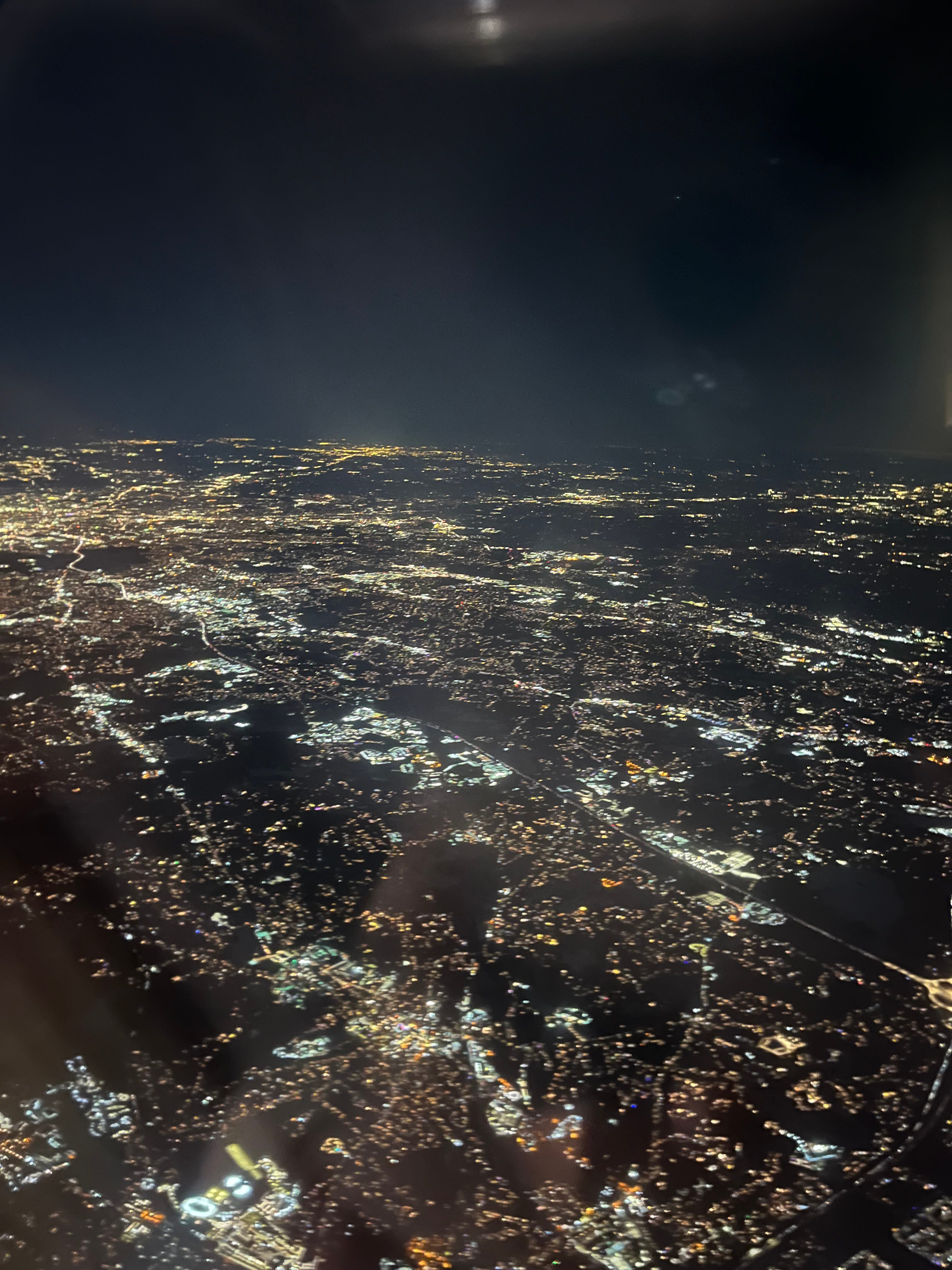
And it’s not just the volume of patients that pushes the needle towards collapse. It’s the daily push from administration to discharge patients as soon as possible to make way for the incoming. It’s the severity of illnesses that show up, patients waiting until the last minute to decide to finally get care. It’s the diagnoses that patients are suffering from that eat away at my soul. It’s very cold and snowy up here in Alaska, as we finally come out of the below zero days that has destroyed many fingers and toes of patients with frostbite. It’s the major trauma from car accidents in the snow, broken faces, skulls, femurs, and pelvises. It still astonishes me how surgeons are capable of putting humpty dumpty back together again, or at least, together enough to be alive.
Yesterday I was consulted on several patients in comatose like states. One patient had stopped breathing in the middle of the night, from a drug and alcohol overdose. Her boyfriend woke up in time to find her pulseless next to him. He rapidly started CPR with chest compressions, doing the best he could to keep blood pumping to her brain while the ambulance sped through the streets to their apartment. The compressions were enough to keep her brain stem alive, but not the rest of her brain, resulting in what is called an anoxic brain injury. She is breathing on her own, but not interacting with the environment, with an extremely poor prognosis of ever regaining consciousness. Her family still has hope and who I am I to distinguish that glimmer?

Then there was a patient who had too much to drink, drove way too fast, and, after rolling across the highway like a dandelion seed on the wind, crashed his car into a tree. He is in an even worse state than the other comatose patient I evaluated, if that’s even possible. He has a smashed brain and skull, multiple other broken bones, is still hooked up to the ventilator, his nervous system on fire with fevers and a racing heart. Part of my job as a Physical Medicine and Rehabilitation physician is to be consulted on patients like these, ones with injuries to their brains. Prognosis is usually part of the conversation of course, and it’s the most painful part of what I do.
I’ll never forget a time in my residency training when I cared for a comatose patient who had a severe traumatic brain injury. He was not waking up, after many weeks in the ICU, and even when taken off all sedation. He wasn’t able to breath on his own, and so the family finally made the decision to let him go. All of us doctors were telling the family that his prognosis was not just guarded, but extremely poor. He was young, so there was a donation team waiting in the wings to harvest his organs if the family decided to take him off the ventilator. They were waiting for one more family member to arrive to say goodbye to the patient so they asked for one more day. The following morning the patient started interacting with his environment.
That family never trusted us again. He still had an extremely long stay in the hospital and was still severely disabled when he finally went home, requiring around the clock care, but the trust was gone. The doctors were wrong. He woke up.
I think about this patient now when I counsel families about their loved ones with severe brain injuries. I try to keep the door of possibility open, while also being straightforward about how much care their loved one will need. We are not God and we really don’t know what will happen in the future. I have to remind myself of that daily.
I left the hospital yesterday with all these patients on my mind, and tuned into the local news station. A journalist was reporting on how many people had died from exposure to the elements last year in Anchorage, many of them homeless and addicted to fentanyl. The number astonished me. Forty-five. Forty-five people who lived on the streets, didn’t have a warming shelter to go to, ( or didn’t want to go to one where he or she was required to stay sober), died from hypothermia. The journalist had reached out to the families of the deceased, to try and find out something about who they were and what they were like. After all, everyone has a family they came from, some friends if they are lucky, and all of them, every single addict and homeless person, was once an innocent newborn child.
Tears started running down my face. I had enough. I just couldn’t listen any more. I turned off the radio and did some deep breathing. I went home and had a nourishing dinner, snuggled on the couch with my husband while watching some TV, trying to get my mind and heart away from the tragedy of the day’s events. I no longer use alcohol as a way to deal with my stress, so I turned to my healthier coping mechanisms. Touch from a loved one, warmth in front of a fire, and roasted red potatoes with a touch of spice. It was enough.
I give myself permission to turn off the news and bury my head in the sand for a bit. I need to focus my attention on caring for myself so that I can adequately care for the patients in my own community. It’s not that I don’t care about what’s happening in Minneapolis, or Gaza, or Ukraine, it’s that I have a limited amount of gas right now.
How are you dealing with the suffering you are witnessing in the world? What do you do to fill up your gas tank? Do you give yourself permission to turn off the news?
In light and love,
Valerie
Wow is an understatement. The load you carry. The never-ending diagnosis and trauma and diagnoses. The suffering of your patients. Your beautiful empathetic, prescriptive heart is so wonderful. Thank you for sharing. I love your words, amidst all the chaos in our world, in this country. Thank you for sharing.
Thank you Naomi! It helps to have such an amazing support community. Maybe not snuggling up on the couch with me in real time, but I can feel the support none the less.